
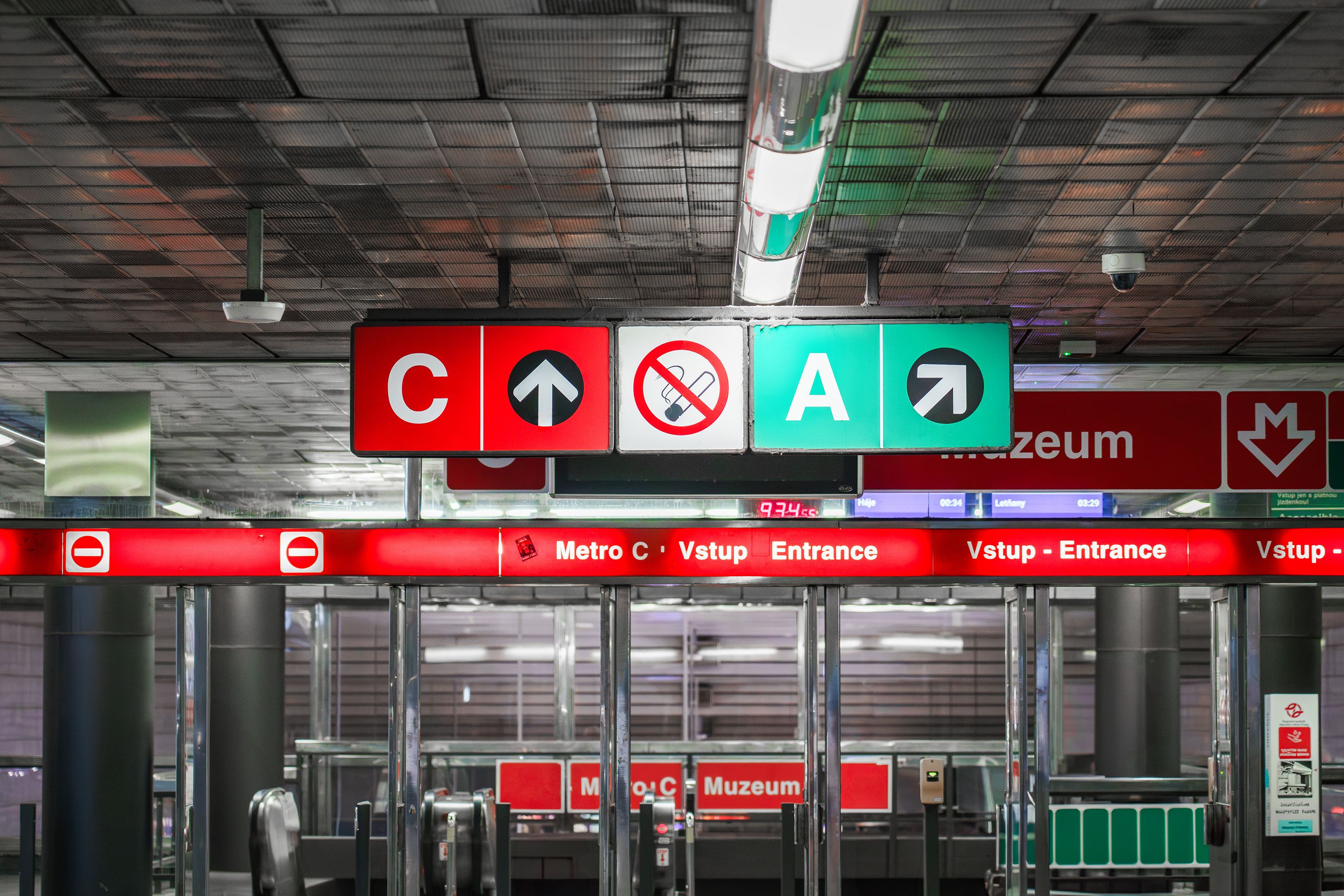
THE SILENT GUIDE INSIDE YOUR BUILDING
How indoor signage works continuously to guide customers, visitors and employees without a salesperson.
The best indoor signage is rarely the thing people come to admire. It is the thing that quietly tells them where to go. Walk into an unfamiliar building and, for a few seconds, something interesting happens. Where is reception? Which corridor leads to the conference room? Where is the washroom? Which floor do I need? Most of us do not think about these questions for very long—provided the building has been designed to answer them. A small arrow appears. A room number catches the eye. A directory tells you which floor you need. And suddenly, the building makes sense. That is the quiet power of indoor signage. It does not interrupt. It does not demand attention. It simply guides.
 lovelycrayon.com
A Beautiful Building Can Still Be Confusing
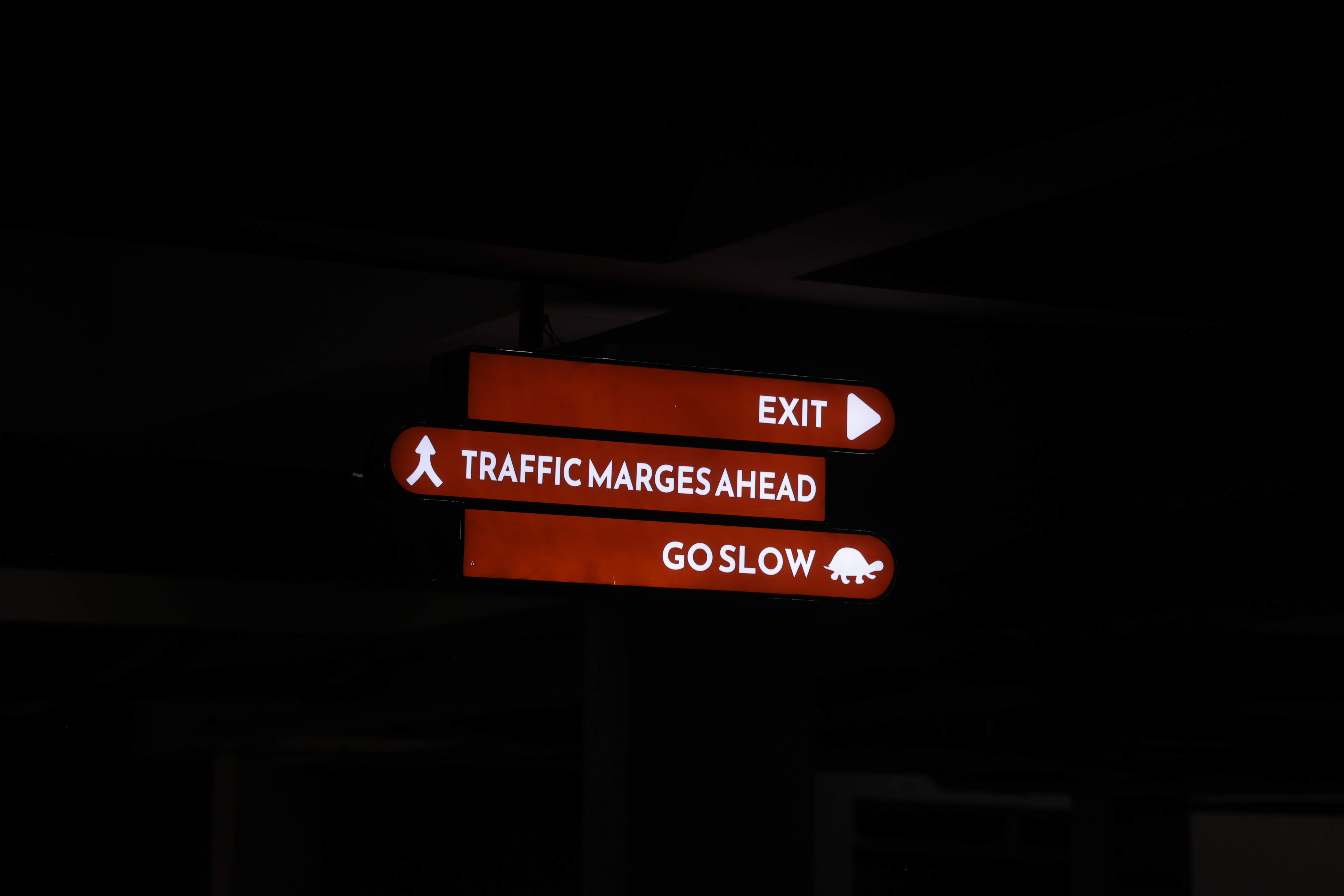
Good architecture creates a space. Good interior design creates an atmosphere. But good indoor signage helps people understand that space. A beautiful corporate office can still leave visitors wandering through corridors. A hotel can look luxurious and still become frustrating if reception, restaurants or lifts are difficult to find. A hospital can have excellent facilities and still create anxiety if patients cannot understand where they need to go. Indoor signage solves this invisible problem. It becomes a navigation system made visible. Directional signs guide. Room signs are identified. Floor directories organise. Safety signs warn. Accessibility signs help people navigate independently. Each sign performs a small task. Together, they create a system.
 lovelycrayon.com
The Silent Employee
Imagine a receptionist answering the same question fifty times a day: “Where is the conference room?” “Which floor is radiology?” “Where is the washroom?” Now imagine the building answering those questions itself. That is what good indoor signage does. It works even when nobody is standing behind a desk. This is especially valuable in hospitals, hotels, universities, shopping centres, airports, corporate offices and large commercial buildings where hundreds or thousands of people may move through unfamiliar spaces every day. The best signage gives people confidence. They do not have to stop someone. They do not have to guess. They simply follow the information placed in front of them.
From Acrylic and Metal to Smart Wayfinding
Traditional indoor signage is still remarkably effective. Acrylic, metal, wood, glass, vinyl, engraved plates and dimensional lettering can create signage that feels permanent, professional and closely connected to the interior. But technology is changing what indoor signage can do. Modern buildings can use digital directories, touchscreen kiosks, QR-enabled directions, dynamic displays, indoor positioning and mobile wayfinding. A visitor could select a department on a digital directory and receive step-by-step directions. If a corridor changes or a particular lift becomes unavailable, information can be updated without replacing the entire sign. This is where the future becomes interesting. Indoor signage is gradually moving from static information towards responsive guidance. Yet technology should never become the centre of attention. The smartest signage is still the signage that makes finding your way feel effortless.
 lovelycrayon.com
Signage Can Shape the Personality of a Place
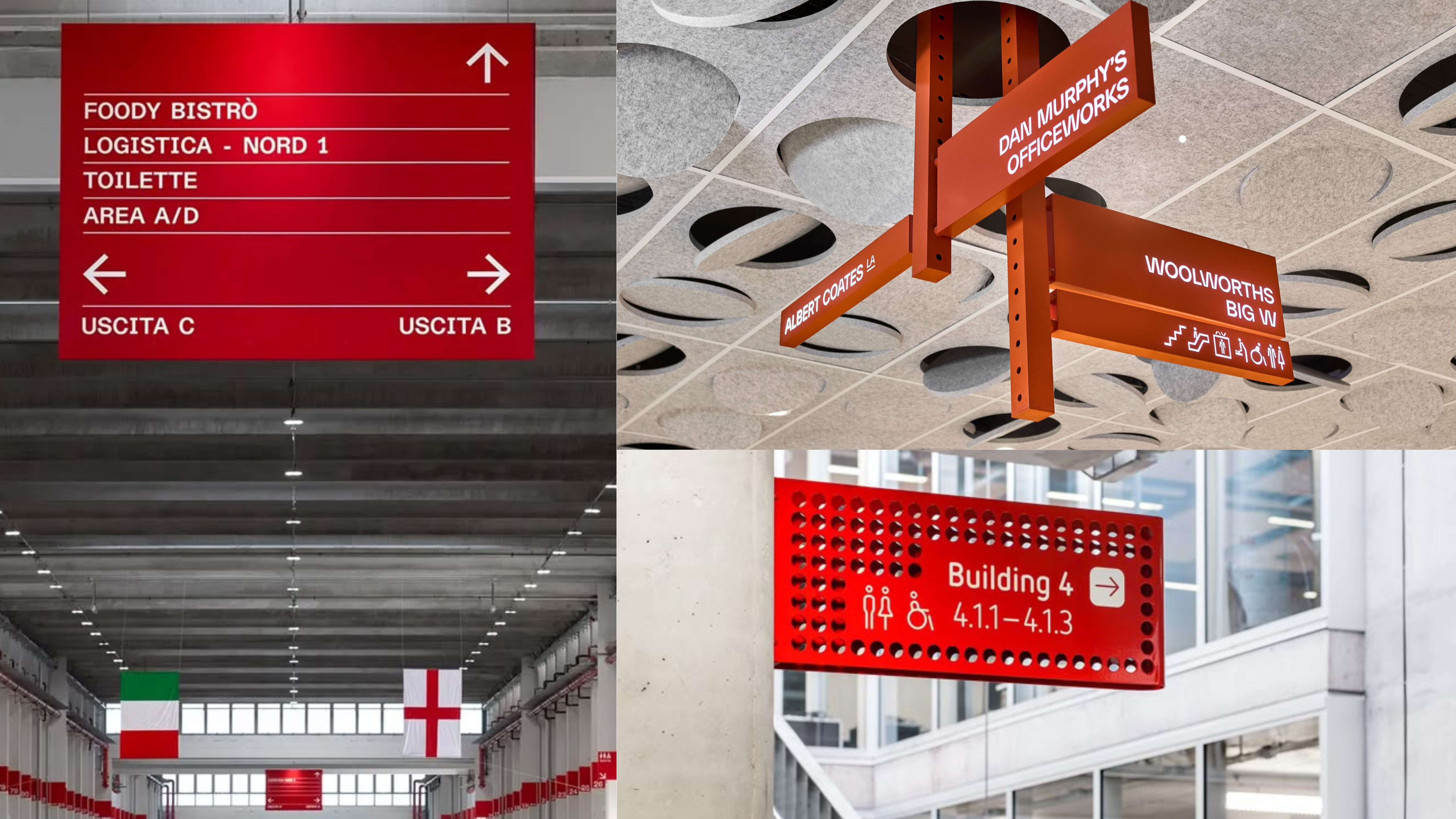
Indoor signage does not only tell people where to go. It can also tell them what kind of place they have entered. A premium hotel may use elegant metal lettering and subtle illumination. A technology company may use bold typography and contemporary dimensional signs. A children's hospital may use colour and friendly illustrations. A corporate office may integrate minimal signage directly into its architecture. This is where wayfinding meets branding. The arrow guides you. The typography identifies the business. The material creates a feeling. The lighting adds atmosphere. Together, these details turn functional signage into part of the interior experience.
What Comes Next?
The future of indoor signage will likely become more connected, accessible and intelligent. Digital maps, touchless interfaces, QR navigation, augmented reality and location-aware systems are already influencing how people navigate complex buildings. But the fundamental need has not changed. When someone enters an unfamiliar place, they want to know two simple things: Where am I? Where do I go next? Technology may change the answer. Design may change the appearance. Materials may change the experience. But the purpose remains the same.
The Silent Guide
Perhaps that is the most beautiful thing about indoor signage. It does not need to demand attention. It needs to provide certainty. A visitor should not have to think: “I hope I'm going the right way.” The sign should quietly answer: “You are.” And when a building can guide people without making them feel guided, the signage has done its job.
“The environment is the message.”
Marshall McLuhan
A building communicates through more than its architecture. It communicates through every arrow, letter, symbol, number and doorway. Sometimes the quietest element in a building is the one helping everyone find their way.
Planning signage of your own?
Get a quote→